On this page
Rum is in everything in Jamaica. It’s at the christening and the nine night, in the Christmas cake, in the glass at the dominoes table, and in the first drop poured on the ground for the ones who came before. As a Jamaican, I can tell you the rum most visitors meet first, white overproof, is not the one most Jamaicans would hand you if they wanted you to enjoy it. This guide covers the styles, the main brands and how to drink it like you know what you’re doing. Distillery visits have their own guide, linked below.
A short history of Jamaican rum
Sugar cane came to Jamaica with the Spanish, and rum-making took off after the English took the island in 1655. Wray & Nephew’s own heritage page is blunt about what came next: rum was traded for enslaved Africans, whose forced labor worked the sugar plantations. By the late 19th century the island had over 100 distilleries. Today there are six: Appleton, Worthy Park, Hampden, Long Pond, Clarendon and New Yarmouth.
Appleton Estate dates its first recorded distillation to 1749 and calls itself the island’s oldest continuously operating rum distillery. Worthy Park traces its estate to 1670. J. Wray & Nephew began in 1825, when John Wray opened the Shakespeare Tavern in Kingston, and the company says it is the oldest registered company in Jamaica.
“Jamaica Rum” is also a protected geographical indication, registered in 2016 in the name of the Spirits Pool Association, the industry body for the island’s rum producers. Wray & Nephew, for example, prints its GI certification on its official site. The rules on what can carry the name were revised in 2024 after a dispute between producers heard by the Jamaica Intellectual Property Office, and The Gleaner reports that part of that revision was then paused by the Supreme Court while a further challenge is heard, so I won’t quote the rules here.
The main styles
Wray & Nephew puts it simply: in Jamaica, only wood should mellow the color of rum. Here is what you’ll see on a bar shelf.
| Style | What it is | How Jamaicans drink it |
|---|---|---|
| White overproof | Unaged or barely aged white rum bottled at full strength. Wray & Nephew White Overproof and Rum-Bar White Overproof are both 63% ABV. | With a mixer, never neat by visitors. “A shot of whites” is a bar staple. |
| White rum | Lightly aged, clear, fruity rum at standard strength. | Cocktails and punches. |
| Gold | Aged in oak, which gives the color and notes of vanilla and spice. Rum-Bar Gold is 40%. | With cola, juice or ginger beer. |
| Aged | Rum with an age statement, aged for years in oak barrels. At Appleton, the age on the bottle is the youngest rum in the blend. | On the rocks or neat, slowly. |
The other word you’ll hear from rum lovers is “pot still.” Jamaica is known for heavy, fruity rums made in copper pot stills, the old way. Hampden in Trelawny and Worthy Park in St Catherine are famous for this style; Appleton and Wray & Nephew blend pot still and column still rums for a lighter, more balanced profile.
Free Jamaica trip checklist
Want the printable version?
Get my free Jamaica trip checklist, then guides for the part of the island you're visiting.
Your checklist is ready
Download it below, then print it or tick the boxes on screen.
The brands to know
Wray & Nephew White Overproof
The green and yellow bottle in every rum bar on the island. It’s made at the New Yarmouth distillery in Clarendon, with copper pot and column stills, and bottled at 63% ABV. Jamaicans just call it “whites” or “Wray.” At 63%, it’s about one and a half times the strength of a standard 40% spirit, which is why the old stories about “J. Wray and Nephew” knocking somebody over are not exaggerations.
Appleton Estate
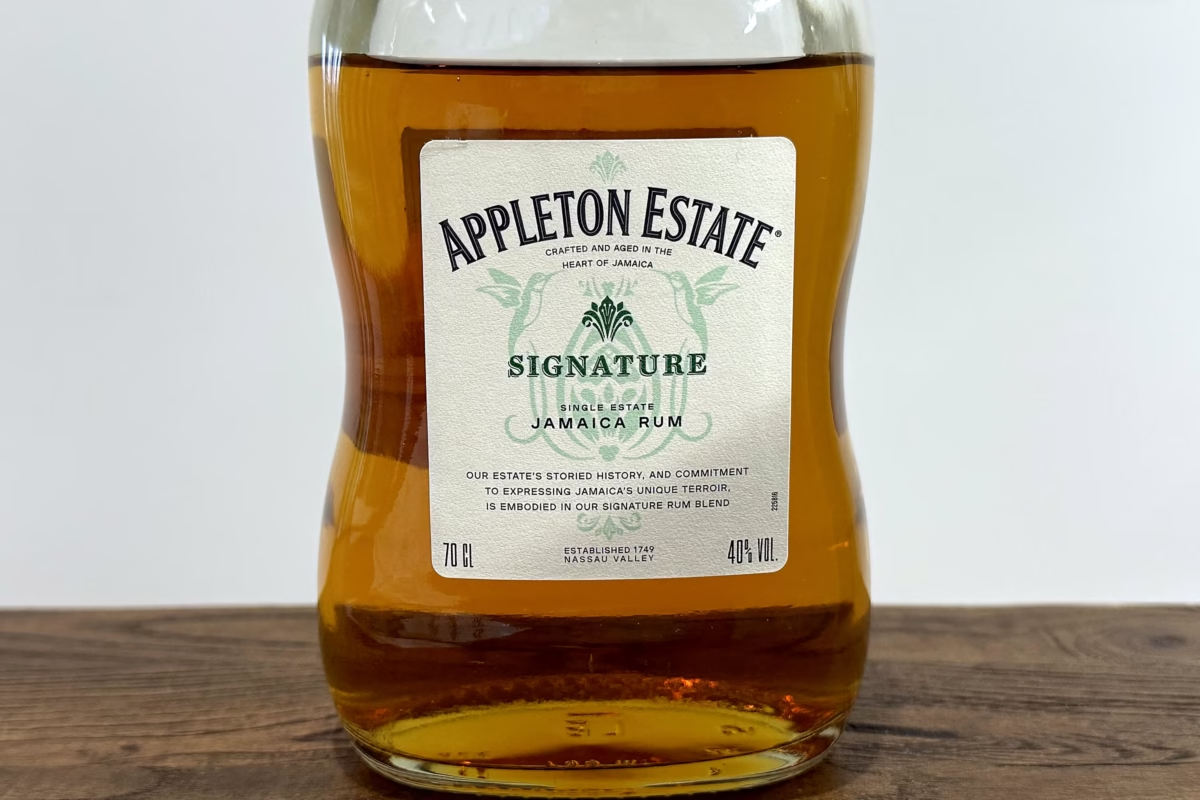
The island’s best-known aged rum, made in the Nassau Valley, St Elizabeth, and blended by master blender Joy Spence and her team. The core range on the official site runs from Signature through the 8 Year Old Reserve, the 12 Year Old Rare Casks, the 15 Year Old Black River Casks and the 21 Year Old Nassau Valley Casks. If you want one bottle to take home, the 8 or 12 is my pick: good on the rocks and good in a cocktail. Appleton also has a boutique with a tasting bar inside the departure area at Sangster International Airport in Montego Bay.
Worthy Park and Rum-Bar
Worthy Park Estate sits 1,200 feet up in Lluidas Vale, St Catherine, and makes 100% pot still rum. Its Rum-Bar range, a gold and a white overproof, is what you’ll see in many local bars; the Worthy Park Single Estate rums are its premium line.
Hampden
Hampden Estate in Trelawny is a rum lover’s distillery, known for intense, high-ester pot still rum. Its white overproof is sold as Rum Fire, and its aged rums carry the Hampden Estate name. You’ll find them more often in specialist shops abroad than in a Jamaican rum bar.
Where to see rum being made
Appleton Estate in St Elizabeth runs the island’s best-known distillery tour; Worthy Park in St Catherine takes small groups by reservation. For days, booking, age limits and which tours are running, see the guide to rum tours in Jamaica, or the Appleton Estate rum tour guide for the full Appleton day.
How Jamaicans drink rum
- Rum and Ting. White rum with Ting, the Jamaican grapefruit soda. Wray & Nephew lists Wray & Ting among its classic serves. Some people call it a stingray.
- Rum punch. Every family and every bar has its own recipe. The old rhyme is “one of sour, two of sweet, three of strong, four of weak”: lime, sugar syrup, rum and water or juice. Wray’s own version uses pineapple juice, cranberry and lime.
- Rum and cola, or rum and ginger beer. The everyday order with gold rum.
- Aged rum on the rocks. For a good Appleton, this is how I’d drink it.
- In the food. Rum and red wine soak the fruit for Jamaican Christmas cake, and a splash goes into rum raisin ice cream and some sauces.
Local customs you might see: older Jamaicans pour a little rum on the ground before drinking, for the ancestors; white rum is sprinkled at ground-breakings and when a new house is blessed; and at a nine night, the gathering after a death, there’s always a bottle on the table. If someone offers you a drink from their bottle, it’s friendly to accept a small one, and fine to say “mi good,” meaning I’m fine, thanks.
Drinking age and staying safe
The legal drinking age in Jamaica is 18. The distillery tours only serve tastings to guests 18 and over, and Appleton’s booking partner asks for photo ID at check-in, so carry yours.
- Overproof at 63% hits much harder than it tastes in a fruity drink. Ask the bartender how strong the punch is.
- All-inclusive bars pour generously. Pace yourself in the sun and drink water between rounds.
- Don’t drink and drive. Country roads are narrow and winding; on a distillery day, book a driver or a tour with transport.
- If you’re taking bottles home, check your airline’s and your home country’s allowances. Bottles bought at the Montego Bay airport boutique are the easiest way to avoid packing glass.
Rum goes best with food. For what to eat with it, see my guide to Jamaican food, and for the rest of the south coast around Appleton, the South Coast guide.
Questions people ask
What is the drinking age in Jamaica?
18. Distillery tours only serve tastings to guests 18 and over and may ask for photo ID, so bring yours.
How strong is Jamaican overproof rum?
Wray & Nephew White Overproof and Rum-Bar White Overproof are both bottled at 63% ABV, about one and a half times the strength of a standard 40% rum. Drink it with a mixer.
What is the difference between white overproof and aged rum?
White overproof is unaged or barely aged and bottled at full strength: Wray & Nephew and Rum-Bar White Overproof are both 63% ABV. Aged rum spends years in oak barrels, which gives it its color and notes of vanilla and spice. Jamaicans mix the overproof and sip a good aged rum slowly.
What do Jamaicans mix rum with?
White rum with Ting (grapefruit soda) is a classic, and rum punch is at every party. Gold rum goes with cola, juice or ginger beer, and a good aged rum is drunk on the rocks.
What is a rum punch made with in Jamaica?
Lime, sugar syrup, rum and water or juice, by the old rhyme “one of sour, two of sweet, three of strong, four of weak.” Every family and bar has its own version; Wray & Nephew’s recipe adds pineapple juice, cranberry and lime. Ask how strong it is before your second glass.
Sources & updates
- Wray & Nephew (official): Jamaican rum heritage, styles and the six distilleries · checked
- Wray & Nephew (official): White Overproof Rum (63% ABV, GI, New Yarmouth distillery) · checked
- Wray & Nephew (official): Our history (1825, Shakespeare Tavern) · checked
- Wray & Nephew (official): Wray's Rum Punch and Wray & Ting · checked
- Appleton Estate (official): Our roots (1749, Nassau Valley) · checked
- Appleton Estate (official): Production (pot and column stills, age statements) · checked
- Appleton Estate (official): Core collection · checked
- Appleton Estate (official): Montego Bay airport boutique · checked
- Appleton Estate (official): Visit our estate, hours · checked
- Chukka (Appleton's official booking partner): tour requirements and ID · checked
- Worthy Park Estate (official): Rum tour, hours, booking and age limit · checked
- Worthy Park Estate (official): Rum-Bar range · checked
- The Gleaner: National Rums get temporary relief in industry fight (Oct 1, 2025) · checked
- Skurnik Wines & Spirits (US importer): Rum Fire, Hampden Estate · checked
- JIPO tribunal record: Jamaica Rum GI registered 2016 to the Spirits Pool Association · checked
Update log
- — Rewritten as a researched guide; facts re-checked.
- — Refocused on styles, brands and how Jamaicans drink rum: the distillery section is cut to a short link to the rum tours guide, the two tour-status FAQs swapped for overproof vs aged and rum punch, new meta title and description.
- — Moved source citations out of the text
- — Trimmed hurricane references to where they change the advice
Spotted something out of date? Tell me and I’ll check it.